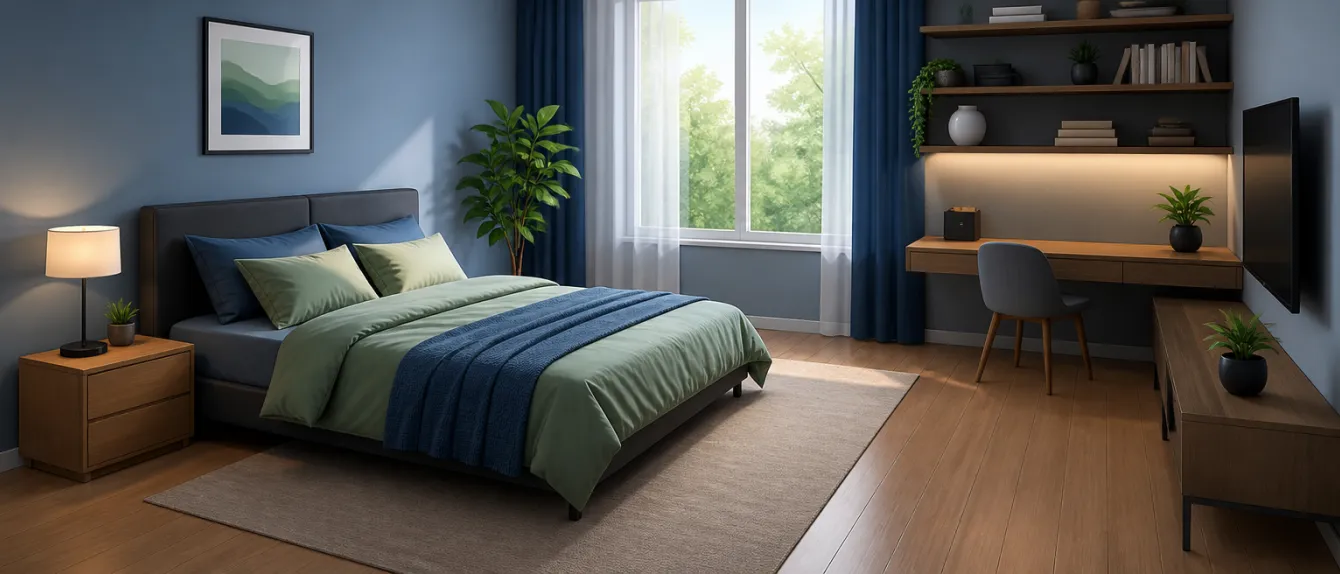
Transform your bedroom into a sleep sanctuary by maintaining a temperature between 60 to 67 degrees Fahrenheit and decluttering the space to reduce anxiety. This process may take a few hours, depending on the level of organization needed. Success hinges on creating a calming atmosphere with soft colors and minimal distractions, promoting relaxation for better sleep quality.
What You'll Need
Measuring Tape
To accurately measure your bedroom dimensions and furniture sizes for a proper fit.
Sleep Quality Assessment
Understanding your current sleep quality helps identify areas for improvement in your setup.
Budget Plan
Establishing a budget ensures you can make the necessary purchases without overspending.
Design Inspiration
Collecting ideas from various sources helps you visualize and create a cohesive bedroom design.
Comfort Preferences
Knowing your preferences for mattress firmness, bedding materials, and lighting will guide your choices.
Time for Setup
Allocating sufficient time allows for a thorough and thoughtful arrangement of your sleep space.
Bedroom Setup Ideas: Create Your Perfect Sleep Space
- Step 1: Set the Right Temperature
Adjust your bedroom temperature to between 60 to 67 degrees Fahrenheit, as recommended by the National Sleep Foundation for optimal sleep. You can test this by using a thermometer and adjusting your thermostat or fan accordingly. Pay attention to how your body feels at different temperatures to find your personal comfort zone.
- Step 2: Choose a Comfortable Mattress and Bedding
Select a mattress that suits your sleeping style, whether you prefer firm or soft. Test different options in-store if possible, and check for a comfortable pillow that supports your neck. Make sure to regularly change your bed linens to maintain cleanliness and reduce allergens, which can impact sleep quality[1].
- Step 3: Optimize Bedroom Layout
Arrange your furniture to create a calming environment, ensuring the bed is the focal point. Consider the flow of the room and avoid clutter, as a tidy space can enhance relaxation[2]. Check if you can easily navigate the room without bumping into furniture or feeling cramped.
- Step 4: Control Lighting
Incorporate blackout curtains to minimize light exposure, which is essential for melatonin production and better sleep[3]. Test the effectiveness by observing how much light seeps in during the day and adjust your curtains accordingly. Aim for a soft, warm lighting option for evening use to promote relaxation.
- Step 5: Choose Calming Colors
Use soft blues and greens in your bedroom design, as these colors are known to promote relaxation and better sleep[4]. Apply the 60-30-10 rule, using 60% of a dominant color, 30% of a secondary color, and 10% of an accent color to create a balanced look[5]. Assess how the colors make you feel and adjust as necessary.
- Step 6: Incorporate Nature
Add plants to your bedroom to improve air quality and create a calming atmosphere[6]. Choose low-maintenance options like snake plants or peace lilies, and observe how they affect the overall vibe of your space. Ensure that you have adequate light for the plants to thrive.
- Step 7: Declutter Regularly
Take time to declutter your bedroom, as a clean environment can significantly improve sleep quality[7]. Set aside a regular schedule for tidying up and removing unnecessary items to reduce anxiety. Evaluate your space to see if it feels more peaceful and inviting after decluttering.
- Step 8: Create a Sleep Sanctuary
Incorporate personal elements that promote relaxation, such as soothing colors, comfortable bedding, and calming artwork. Consider what makes you feel most at ease and try to reflect that in your space. Test different arrangements and decor until you find a combination that feels like your personal haven.
- Step 9: Manage Noise Levels
Address noise disturbances by using white noise machines or soundproofing techniques to create a quieter environment[6]. Experiment with different sounds to find what helps you sleep best. Pay attention to how your sleep improves with less noise interference.
Understanding Sleep Hygiene
Sleep hygiene refers to a set of practices and environmental factors that contribute to improving sleep quality. It encompasses various aspects of your sleep environment, including the bedroom setup, which plays a crucial role in how well you rest. A well-organized and thoughtfully designed bedroom can significantly reduce sleep disturbances, leading to more restful nights. According to the National Sleep Foundation, maintaining a bedroom temperature between 60 to 67 degrees Fahrenheit is essential for optimal sleep[6].
Research indicates that a cluttered bedroom can hinder your ability to fall asleep, often resulting in increased anxiety and restlessness[8]. A study found that decluttering can enhance sleep quality by creating a more peaceful atmosphere[2]. Beyond organization, the color scheme of your bedroom also matters; soft blues and greens are known to promote relaxation, while bright colors may be overly stimulating[4].
Statistics reveal that poor bedroom environments contribute to widespread sleep issues. For instance, maintaining a clean sleeping environment and regularly changing bed linens can lead to improved sleep quality and reduced sleep-related problems[7]. Furthermore, noise disturbances can significantly disrupt sleep, with solutions like white noise machines being recommended to mitigate this issue[6].
Creating an ideal sleep space is not just about aesthetics; it involves understanding how various elements interact to foster a restful environment. When considering your setup, think of the ways these factors can work together to create a sanctuary that promotes better sleep.
Choosing the Right Bed and Mattress
Selecting the right bed and mattress is crucial for achieving better sleep quality. Start by considering the size of the mattress. A mattress that is too small can lead to discomfort, especially for those who share a bed. The most common sizes include twin, full, queen, and king, with a queen being a popular choice for couples. Next, evaluate firmness; softer mattresses can provide pressure relief, while firmer options offer more support. Personal preferences vary, so testing mattresses in-store can help identify the right fit.
Different mattress types cater to various sleep styles. Memory foam mattresses conform to the body, making them ideal for side sleepers who need support for their hips and shoulders. Innerspring mattresses, on the other hand, provide a traditional feel and are often preferred by back sleepers due to their support and bounce. Hybrid mattresses combine both foam and innerspring technologies, offering a balance of comfort and support, making them suitable for a range of sleep positions.
When searching for the right mattress, consider your sleep style. If you tend to sleep hot, look for mattresses with cooling features, such as gel-infused foam or breathable fabrics. For those who experience allergies, hypoallergenic materials can reduce the presence of allergens. If budget constraints are a concern, remember that investing in a quality mattress can lead to significant improvements in sleep quality, which ultimately benefits overall health.
It's essential to keep in mind that personal comfort is subjective. What works for one person may not work for another. Therefore, allow yourself the time to explore different options, and don’t hesitate to ask for recommendations based on specific needs. The right bed and mattress can transform your sleeping environment into a true sanctuary.
Optimal Bedroom Layout for Rest
Creating an effective bedroom layout involves considering the size of the room and ensuring a smooth flow of movement. For smaller spaces, placing the bed against a wall can maximize floor space while allowing easy access to other furniture. In larger rooms, a central bed position can create a more balanced aesthetic. Regardless of size, ensure there is enough space to navigate comfortably, ideally leaving at least two feet between the bed and other furniture to prevent a cramped feel.
Flow and accessibility are crucial elements in any bedroom design. An effective layout allows for easy movement around the room, reducing the likelihood of bumping into furniture, which can disrupt relaxation. Consider where natural light enters the room; positioning the bed near windows can enhance morning wakefulness, while blackout curtains can help create a darker environment at night, promoting melatonin production for better sleep[3].
Visualizing different layouts can be beneficial. For instance, using a simple diagram can help map out where furniture will be placed. A basic room layout might include the bed as the focal point, with nightstands on either side for accessibility. If the room is particularly large, consider incorporating a reading nook with a comfortable chair and lamp, creating a multifunctional space without compromising sleep quality.
In situations where space is limited or layout options are restricted, consider vertical storage solutions. Shelves or wall-mounted units can free up floor space, reducing clutter, which has been linked to improved sleep quality[2]. A decluttered environment not only enhances aesthetics but can also reduce anxiety, making the bedroom a more inviting area for rest[8].
Ultimately, the goal is to create a personalized sleep sanctuary that reflects individual preferences and promotes relaxation. Adjust layouts as needed, ensuring that all elements contribute to a calming atmosphere.
Lighting Solutions for a Relaxing Atmosphere
Lighting plays a pivotal role in creating a conducive environment for sleep. The right lighting can help signal to your body when it's time to wind down, while harsh or bright lights can disrupt your natural sleep cycle. Research indicates that exposure to natural light during the day is beneficial, as it helps regulate sleep patterns and enhances overall sleep quality[9]. Therefore, maximizing natural light during daylight hours and minimizing artificial light exposure in the evening is key.
When selecting lighting for your bedroom, consider a mix of ambient, task, and accent lighting. Ambient lighting provides general illumination, while task lighting is ideal for activities like reading. Accent lighting can highlight decor elements and create a cozy atmosphere. Soft, warm light sources are recommended for the evening, as they promote relaxation and help prepare the body for sleep. Dimming capabilities can enhance this effect, allowing for a gradual transition from day to night.
Smart lighting options are increasingly popular, offering customizable settings that can adapt to your routine. These systems can be programmed to mimic sunrise by gradually brightening in the morning, which can help you wake up more naturally. Conversely, they can dim in the evening, creating a soothing environment that signals your body to prepare for sleep. Some smart bulbs even allow you to adjust color temperatures, providing a spectrum from cool daylight to warm, calming hues.
If light pollution is a concern, blackout curtains can significantly reduce unwanted light exposure, which is crucial for melatonin production and better sleep[3]. Experiment with different lighting combinations to find what feels most comfortable. If sleep disturbances persist despite optimizing your lighting, consider additional strategies, such as using a sleep mask or exploring sound solutions to create a tranquil environment.
Color Psychology in Bedroom Design
Color plays a significant role in influencing mood and sleep quality. Soft, calming colors like blues and greens are known to promote relaxation, making them ideal choices for a bedroom environment[4]. In contrast, bright or overly stimulating colors may lead to increased restlessness. When designing your bedroom, consider how different colors can create a soothing atmosphere conducive to restful sleep.
To effectively incorporate color into your bedroom, think about the 60-30-10 rule. This guideline suggests using 60% of a dominant color, 30% of a secondary color, and 10% of an accent color to achieve a balanced look[5]. For example, a serene palette might consist of light blue walls, white bedding, and a few green decorative pillows. This approach helps create a cohesive design that feels harmonious and inviting.
If starting from scratch, paint is a straightforward method to introduce color. However, textiles and decor are also powerful tools for adding hues without overwhelming the space. Consider using colored curtains, area rugs, or artwork to infuse personality while maintaining a calming vibe. When choosing fabrics, opt for soft materials that enhance comfort and relaxation.
In situations where a full repaint is not feasible, adding plants can enhance both color and air quality, contributing to a calming atmosphere[6]. Choose low-maintenance options like succulents or ferns to keep care simple while enjoying the benefits of nature. If color choices lead to indecision or conflict with existing decor, take a step back and assess how the colors make you feel. Adjustments can be made until your space resonates with tranquility.
For those who find that color influences their mood negatively, consider experimenting with different shades and combinations. A subtle shift in tone can significantly affect how a room feels. Ultimately, the goal is to create a personalized sanctuary that promotes relaxation and supports restful sleep.
Incorporating Nature and Greenery
Integrating plants into the bedroom can significantly enhance the environment, both visually and functionally. Research indicates that having plants in your space can improve air quality and create a calming atmosphere, which may lead to better sleep[6]. The presence of greenery not only adds a touch of nature but can also help reduce stress and anxiety, contributing to a more restful sleeping space.
When choosing plants, consider low-maintenance varieties that are known for their air-purifying qualities. Snake plants, peace lilies, and pothos are excellent options. These plants thrive in various lighting conditions and require minimal care, making them perfect for those who may not have a green thumb. For example, snake plants can survive in low light and only need watering every few weeks, while pothos can flourish in both bright and low light.
Placement of plants is crucial for maximizing their benefits. Position them where they can receive indirect sunlight, such as on a windowsill or a nearby shelf. Avoid placing plants directly on your bedside table if space is limited, as they can become a source of clutter. Instead, consider hanging planters or wall-mounted shelves to display them without taking up valuable surface area.
If allergies or sensitivities are a concern, it's wise to research plant varieties that are less likely to trigger reactions. For instance, some people may find that certain flowers or foliage can exacerbate allergies. In such cases, opting for plants like the rubber plant or spider plant, which are known for their hypoallergenic properties, can be beneficial.
Caring for plants can also contribute to a routine that fosters relaxation. Taking a few moments each week to tend to your plants can serve as a mindful practice, allowing you to unwind and connect with your space. If you notice your plants struggling, assess their light and water needs, as these factors can vary based on the season.
Incorporating nature into your bedroom not only beautifies the space but can also create a sanctuary that promotes relaxation and restorative sleep.
Decluttering and Organizing Your Space
A clutter-free environment is crucial for enhancing sleep quality. Research shows that a messy bedroom can lead to increased anxiety and difficulties falling asleep[8]. By maintaining an organized space, individuals can create a more restful atmosphere, making it easier to unwind and drift off into sleep[2]. This transformation into a sleep sanctuary involves not just aesthetic changes, but also practical organization strategies.
When considering organization, start with storage solutions that maximize space. Utilize under-bed storage bins for seasonal clothing or extra bedding, freeing up valuable closet space. Shelving units can also help keep items off the floor, reducing visual clutter. If space is tight, consider vertical storage options, such as wall-mounted shelves or hooks for accessories. These methods can significantly decrease the feeling of chaos, which has been linked to improved sleep quality[7].
For decluttering, various methods can be effective. The "one in, one out" rule is a straightforward approach: for every new item brought into the room, remove one. This helps prevent accumulation over time. Another popular method is the KonMari technique, which encourages keeping only items that “spark joy.” This can make the decluttering process feel more rewarding and less overwhelming.
In cases where emotional attachment to items makes decluttering challenging, try setting aside a specific area for items you’re unsure about. Revisit this area after a set period—often, the passage of time can provide clarity on what is truly needed. If clutter persists despite efforts, consider seeking help from a friend or professional organizer to gain a fresh perspective.
Creating a clean and organized bedroom not only supports better sleep but also contributes to overall well-being. By implementing these strategies, individuals can foster a serene environment that encourages relaxation and restorative rest.
Creating a Personalized Sleep Sanctuary
Personalizing a bedroom is essential for transforming it into a true sleep sanctuary. Adding personal touches such as artwork, textiles, and decor can significantly enhance the comfort and safety of the space. For instance, hanging calming artwork or photographs that evoke positive memories can create a soothing atmosphere. Textiles, such as soft throw blankets and decorative pillows, not only add color but also contribute to a sense of coziness, making the room feel inviting.
Safety and comfort are paramount when designing a sleep space. A well-organized room that feels secure can alleviate anxiety, which is crucial for restful sleep. Research indicates that decluttering can improve sleep quality by reducing anxiety levels[2]. Therefore, opting for a minimalist approach with carefully selected decor can strike a balance between personalization and a peaceful environment.
Consider using the 60-30-10 rule for color to guide your choices. This approach suggests using 60% of a dominant color, 30% of a secondary color, and 10% of an accent color for a harmonious look[5]. Soft blues and greens are particularly recommended, as they promote relaxation and calmness[4]. A soothing palette can enhance the overall ambiance of your sanctuary, making it easier to unwind at the end of the day.
Incorporating elements of nature, such as plants, can also improve air quality and contribute to a calming atmosphere[6]. Choose low-maintenance options that thrive in indoor conditions, and place them strategically to avoid clutter. If space is limited, hanging planters or wall-mounted displays can be a great solution.
For those who find themselves overwhelmed by choices, starting small can make the process more manageable. Focus on one area of the room at a time, adding personal touches that resonate with you. This gradual approach can help ensure that the space evolves into a comforting retreat, tailored to individual preferences and conducive to restorative sleep.
Tech Considerations for Modern Bedrooms
Integrating technology into the bedroom can enhance the sleep experience, but it requires careful consideration to avoid distractions. Smart devices, such as automated lighting and sound machines, can create an optimal environment for rest. For instance, smart bulbs can be programmed to adjust brightness and color temperatures, promoting relaxation in the evening and facilitating a natural wake-up process in the morning. However, excessive use of screens before bedtime can lead to poor sleep quality due to blue light exposure. It's advisable to limit screen time at least an hour before sleep to allow the body to wind down effectively.
To minimize tech distractions, consider implementing a digital curfew. Designate a specific time each evening to turn off electronic devices, ensuring that the bedroom remains a sanctuary for sleep. For those who struggle with noise, white noise machines can be beneficial. They help mask disruptive sounds and create a consistent auditory environment that supports relaxation. Research indicates that noise in the bedroom can significantly disrupt sleep, making sound management an important aspect of bedroom setup[6].
For individuals sensitive to light, blackout curtains are a recommended addition. They significantly reduce light exposure, which is crucial for melatonin production and better sleep quality[3]. This can be particularly helpful for those living in urban areas with high levels of artificial light.
When considering products to enhance sleep, look for items that promote a calming atmosphere. Essential oil diffusers with lavender or chamomile can create a soothing scent that encourages relaxation. Additionally, investing in a quality mattress and bedding tailored to personal comfort preferences can significantly impact sleep quality. Regularly changing bed linens and maintaining a clean sleeping environment can also help reduce allergens, further contributing to restful sleep[1].
In summary, while technology can play a supportive role in creating a sleep-friendly environment, it’s essential to strike a balance to ensure it enhances rather than detracts from sleep quality.
Conclusions
- A clutter-free environment is essential for reducing anxiety and promoting better sleep quality; consider implementing storage solutions to maintain organization.
- Personalizing your bedroom with calming colors and meaningful decor can create a comforting atmosphere conducive to relaxation.
- Incorporating plants not only enhances the visual appeal but also improves air quality and reduces stress, making your space more inviting.
- Limiting screen time before bed and using technology mindfully can help maintain a peaceful sleep environment, free from distractions.
- Experimenting with elements like smart lighting and soothing scents can further enhance your bedroom's ambiance and support restful sleep.
To deepen your understanding of how to create a better sleep environment, check out Tips for Sleep Hygiene: Simple Steps to Better Sleep.
Things readers ask
What are the 7 golden rules for bedroom design?
While there isn't a universally accepted list of seven golden rules, key principles include prioritizing comfort, selecting soothing colors, ensuring adequate lighting, maintaining a clutter-free environment, choosing quality bedding, optimizing furniture arrangement for flow, and incorporating personal touches that promote relaxation. Following these guidelines can help create a harmonious space conducive to restful sleep.
What is the 60-30-10 rule for decorating bedrooms?
The 60-30-10 rule suggests using 60% of a dominant color, 30% of a secondary color, and 10% of an accent color in your bedroom design. This approach helps create a balanced and visually appealing space. For example, a soft blue could serve as the dominant color, complemented by a neutral gray as the secondary color, and vibrant yellow accents to add a pop of energy.
How can I maximize space in a small bedroom?
To maximize space in a small bedroom, consider using multifunctional furniture, such as beds with built-in storage or foldable desks. Utilizing vertical space with shelves and wall-mounted storage can also help keep the floor clear. Additionally, a light color palette can create an illusion of openness, making the room feel larger than it is.
What colors promote better sleep?
Soft blues and greens are often recommended for promoting better sleep as they are associated with relaxation and calmness. Bright colors, on the other hand, can be too stimulating and may disrupt the tranquil atmosphere needed for restful sleep. Choosing a soothing palette can significantly enhance the overall ambiance of the bedroom.
How should I arrange furniture in my bedroom for optimal rest?
Arranging furniture for optimal rest involves creating a layout that promotes flow and reduces clutter. Position the bed as the focal point, ideally away from the door, to foster a sense of security. Ensure that bedside tables are easily accessible and consider leaving space around furniture to facilitate movement, which can contribute to a more peaceful environment.
What are some simple bedroom decorating ideas?
Simple bedroom decorating ideas include incorporating soft textiles like throw blankets and pillows to add comfort, using calming artwork that resonates with you, and integrating plants to improve air quality. Additionally, utilizing storage solutions to keep the space organized can enhance the overall aesthetic and contribute to a restful atmosphere.
Explore More Sleep Space Ideas
Discover additional tips and inspiration for your perfect bedroom.
See More Tips